

You ran an influencer campaign, the numbers came back, and now someone wants one answer: did it pay off? Influencer ROI is how you give it. At its simplest it compares what a campaign returned against what it cost, and the formula is short enough to fit on a napkin.
The tricky part is not the sum. It is agreeing what "value" means in the first place, because reach, engagement, earned media value and actual sales each tell a different story.
Here is how to measure influencer ROI properly, and how to avoid the numbers that only look like return.
How influencer ROI is calculated
The base formula is the same one you would use for any spend:
Run a campaign that cost €20,000 and returned €100,000 in value, and your ROI is 400%, or four euros back for every one spent. On average the industry lands around five to one, which is why the channel keeps drawing budget.
The catch sits in that phrase "value generated." One team counts impressions, another counts sales, a third counts earned media value, and all three call the result ROI. Before the formula means anything, everyone has to agree which layer of value they are measuring: reach, engagement, earned media value, or conversions. Each sits a step closer to money, and each is harder to fake than the last.
The metrics that go into influencer ROI
Most influencer reports lead with reach and engagement because they arrive first and look impressive. They are worth watching, but they measure activity, not outcome. A million impressions is a big number that tells you nobody has bought anything yet.
The gap between activity and outcome is where most ROI figures quietly go wrong. Attribution is the usual culprit. Because people often see a creator today and buy days later through search or direct, last-click models miss a large share of the influence, underreporting the channel's real impact.
How earned media value fits into ROI
Earned media value earns its place in the report, but not at the top of it. EMV estimates what you would have paid in advertising to match the organic exposure a creator generated. That makes it a fair proxy for reach and engagement value, and a poor stand-in for return, because it never subtracts your cost and never proves a sale.
Treat EMV as one input into the value line, not the headline ROI number. It answers "how much attention did we earn," which is useful, while conversions answer "what did that attention do." Here is how that looks in practice.
That €6,500 belongs in your value column as the exposure the post earned. What it does not tell you is whether any of those 25,000 engaged people went on to buy, which is why EMV sits beside your conversion data, not on top of it. You can run your own numbers with our EMV calculator to see how the figure shifts as the values change.
Why verified delivery changes your ROI
Here is the part almost no ROI formula accounts for: whether the campaign it is measuring actually happened as briefed. Most figures are built on planned deliverables, not confirmed ones, and the two can differ a lot. A few of the gaps that inflate the number:
- A creator posts late, or deletes the content after it has been counted.
- The brand appears for three seconds in a Story instead of the agreed integration.
- Part of the audience behind those impressions is inactive or bought.
Every gap lifts the "value generated" side of the equation without adding any real return, and the ROI figure looks healthier than the campaign was. The same campaign can produce two very different numbers depending on whether you count what was promised or what was proven.
That is why verification does more for the number than any formula tweak. When exposure and deliverables are confirmed against what actually went live, using visual, audio and text detection rather than a follower count, the ROI you report is one you can stand behind.
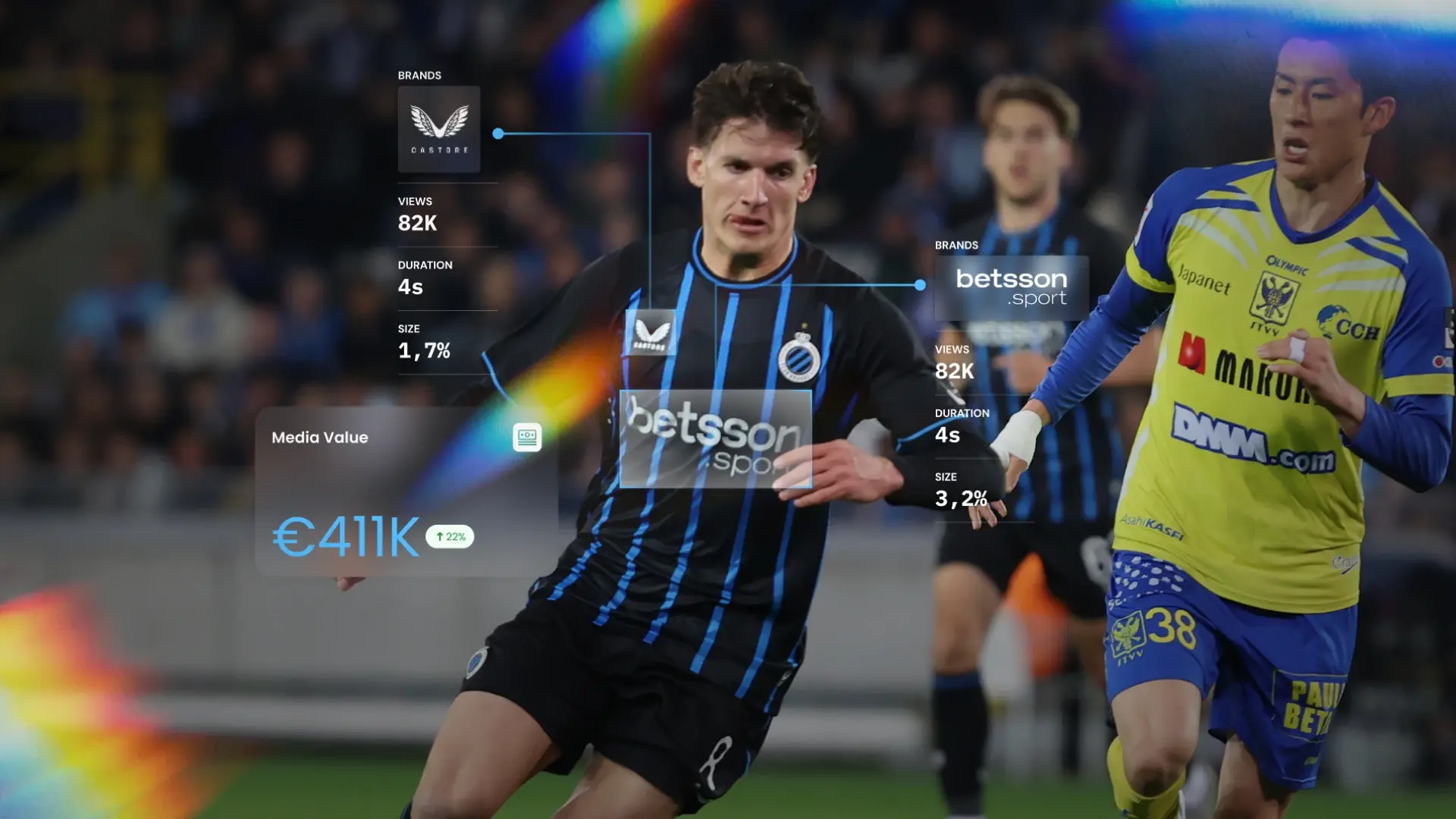
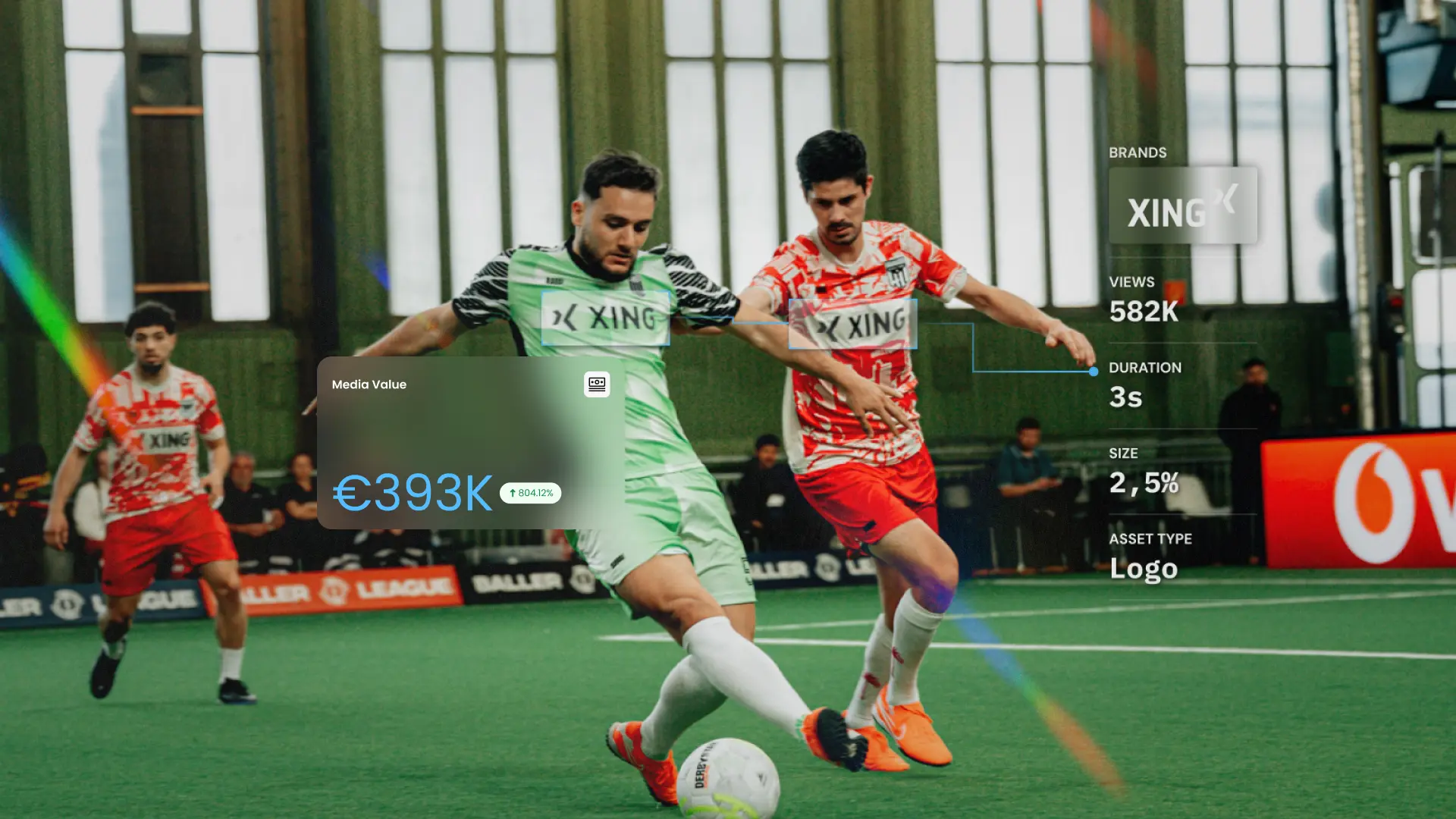
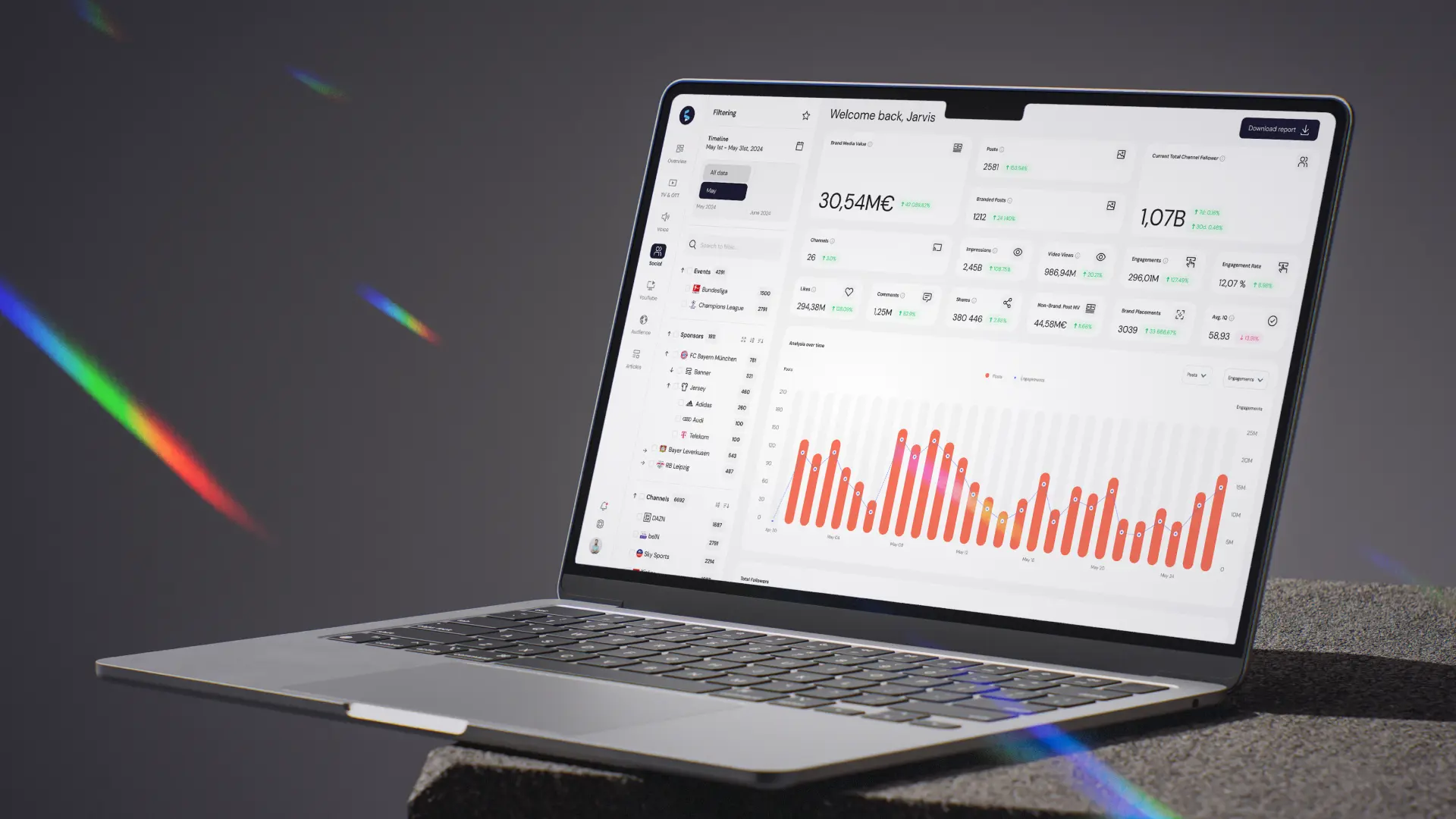
Every metric so far tells you something, but none of it means much until it's checked against the content that actually went live. Shikenso Campaign was built to do exactly that, tying every figure back to what actually happened:

For agencies, that verified figure is what a client wants to see at renewal, and it is where a defensible number earns its keep.
A checklist for measuring influencer ROI
You do not need a bigger spreadsheet to measure influencer ROI well. You need to agree the rules before the campaign runs, then hold to them. Before you sign off on a number, run it through this:
- Define the goal metric first, so you know whether you are measuring awareness, engagement or sales.
- Agree the earned media value method up front, so the figure is not chosen after the fact.
- Verify the deliverables actually went live as briefed.
- Net out the full cost, including creator fees, product, and platform costs.
- Benchmark against a comparable campaign, not against zero.
- Report the method alongside the number, so anyone can see how it was built.
Do that and ROI stops being a figure people argue about and becomes one they trust. That is the standard we hold across measurement for brands and their partners, turning estimates into numbers you can defend. See what that looks like on your own campaigns.

Related reads


Get new insights straight to your inbox
Don’t miss out on the insights that the press and media rave about!