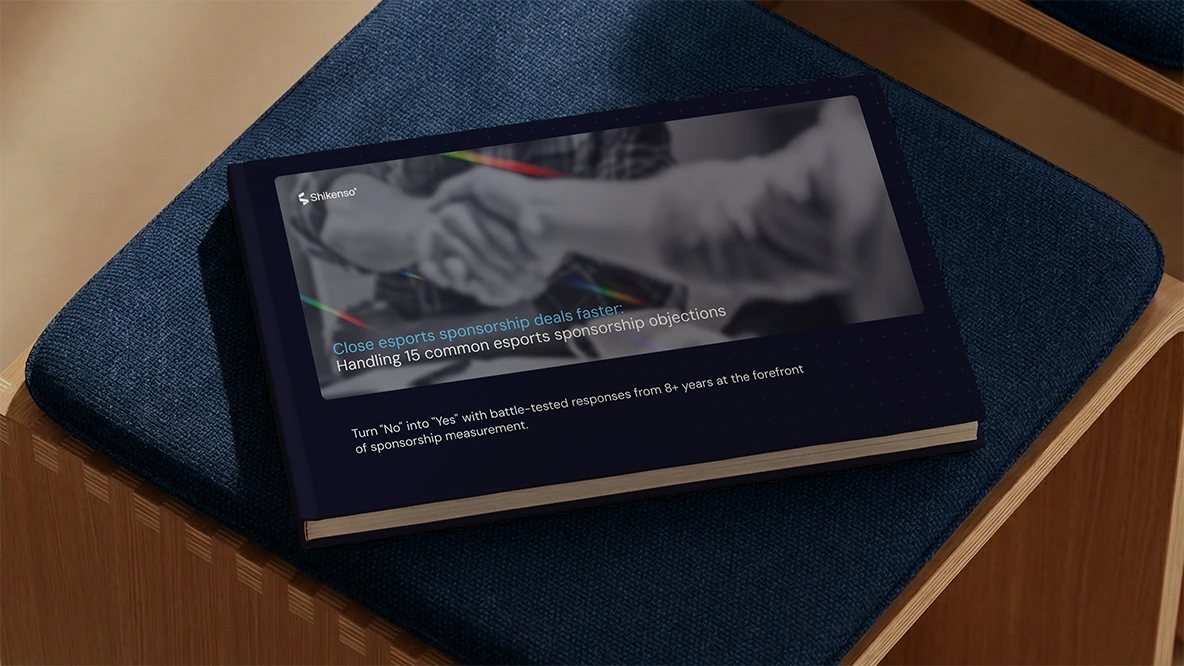

You've been in the meeting. The deck is solid, the numbers add up, and the opportunity is clear. Then comes the question that derails everything.
"Our audience doesn't really game, does it?"
Or maybe it's: "We tried something like this before and it didn't land." Sometimes it's subtler: a raised eyebrow, a request for "more data," a promise to circle back that never materialises.
After 8+ years working at the intersection of sponsorship and measurement, we've seen these conversations play out hundreds of times. The deals that close are won by knowing exactly what's behind the objection and having the data to answer it.
Below, we've broken down three of the most common objections we hear in esports sponsorship conversations, what the prospect is actually asking, and how to respond with confidence. If you'd rather have all 15 upfront, the full guide is free to download through the button below.
1. "We don't have budget for experimental marketing"
What they're really asking: How do we justify this internally?
Esports sponsorship has been a proven marketing channel for years. TV ads during football deliver passive viewers. Esports sponsorship generates active community engagement, user-generated content, and direct brand interaction, all of it trackable.
Entry-level esports partnerships cost significantly less than traditional sports whilst reaching comparable audience sizes. More importantly, every euro spent can be accounted for, which shifts the internal conversation from risk to calculated investment.
The key when handling this objection is reframing. Bring cost comparison data, engagement rate benchmarks, and examples of how organisations justified their esports investment through transparent measurement, not gut feel.
2. "ROI is too hard to measure in esports"
What they're really asking: How do we prove this worked?
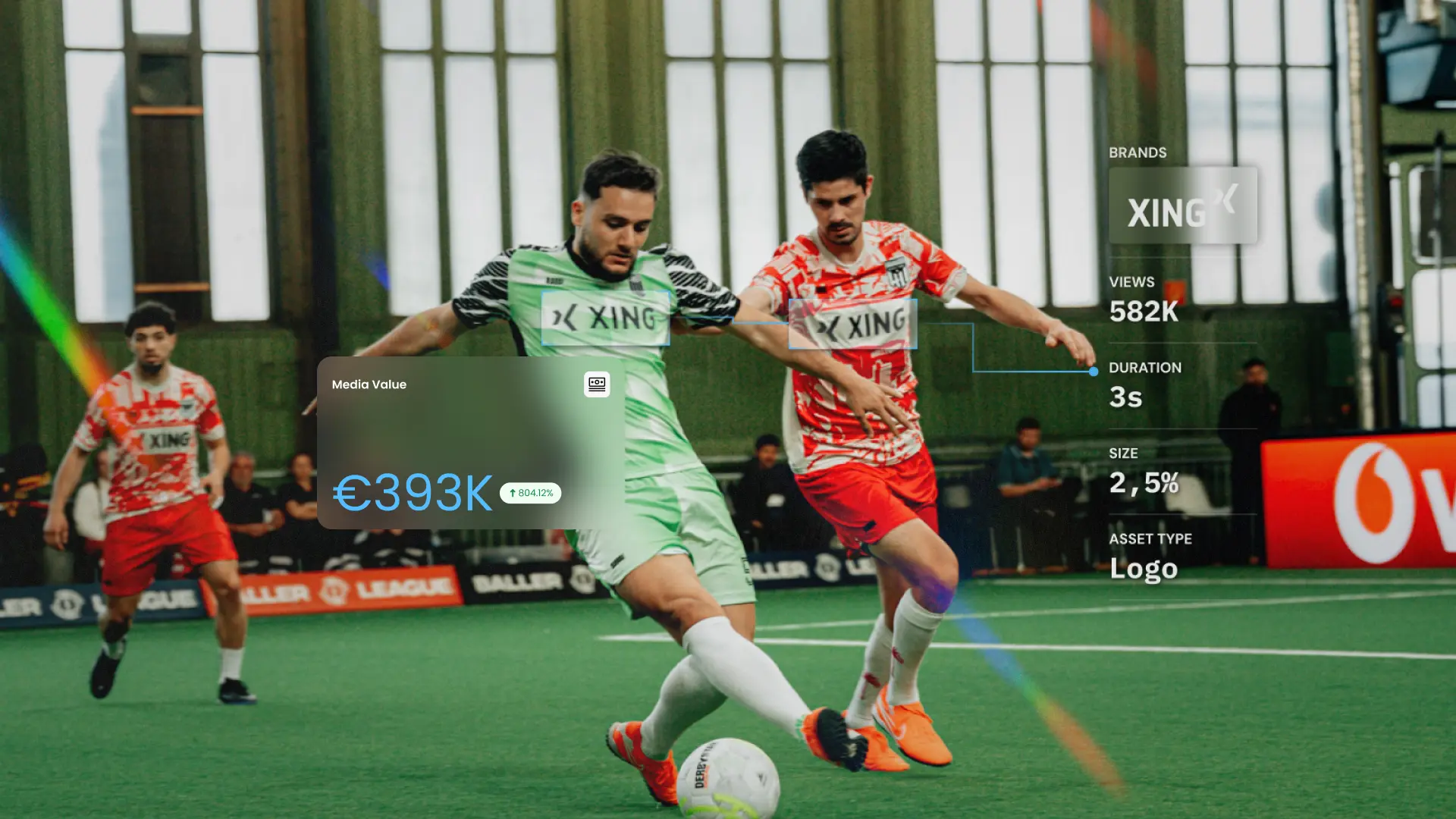
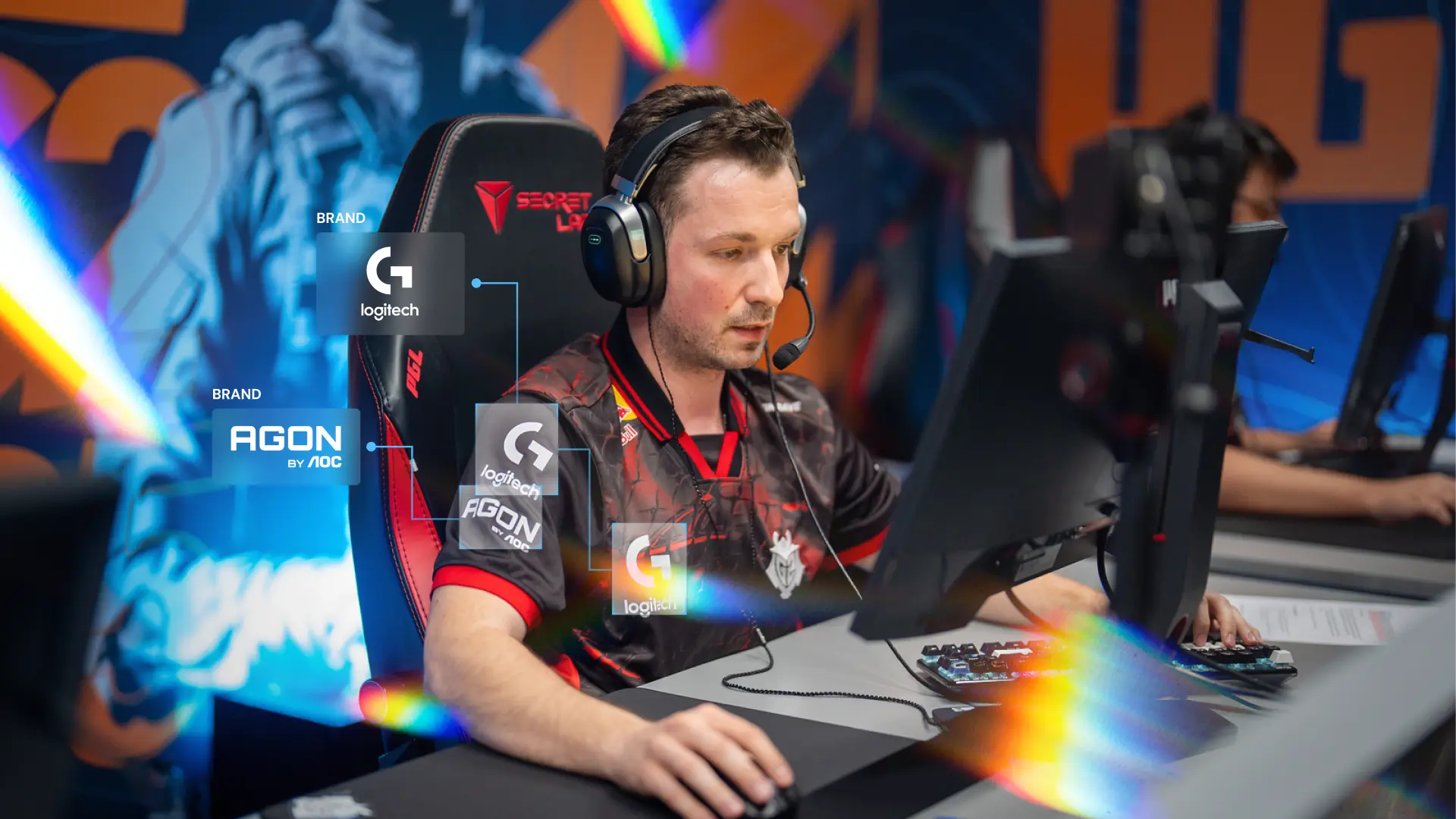
ROI measurement in esports is actually more precise than traditional sports sponsorship. Unlike a stadium banner where exposure is estimated, esports platforms track every viewer across Twitch, YouTube, and streaming services. You get exact concurrent viewership, total hours watched, peak audience numbers, and sentiment data, delivered in hours, not weeks.
Direct click-through rates, promo codes, social engagement, and in-game interactions are all measurable from day one. Each metric maps directly to KPIs your stakeholders already care about.
Teams that invest in measurement infrastructure stop fielding this objection. They've already answered it before the meeting starts.
3. "We need immediate results, not long-term brand building"
What they're really asking: Can this drive quick wins?
Esports delivers on both timeframes. Streamer promo codes, tournament giveaways, and exclusive product launches drive immediate conversions. Successful activations can go viral within days.
The caveat is that quick wins only materialise when measurement is in place from day one. Brands that capture the data as campaigns run can optimise on the fly, rather than reviewing results weeks after the moment has passed. Measurement speed matters as much as campaign speed.
The pattern behind every objection
Sponsorship objections are rarely a flat no. The prospect asking the hardest questions is often the one mentally rehearsing the partnership, looking for reasons to say yes.
Responding with specific data, transparent methodology, and concrete examples is what moves these conversations forward. These three objections are just the start.
We've documented 15 of the most common, from "esports is just kids gaming" to "we'll wait and see", each with the data-backed response that closes them. It's drawn from 300+ real sponsorship conversations and built for anyone navigating these discussions.
Fill in the form below to get the full guide.

Related reads



Get new insights straight to your inbox
Don’t miss out on the insights that the press and media rave about!